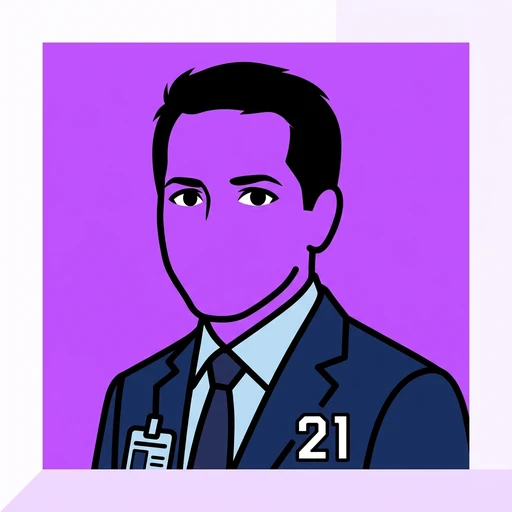
Lee Sang-hyeok, known worldwide as Faker, is a South Korean professional League of Legends player widely regarded as the greatest esports competitor of all time. Born on May 7, 1996, in Seoul, South Korea, Faker has spent his entire professional career with a single organization: T1, formerly known as SK Telecom T1. With four World Championship titles (2013, 2015, 2016, 2023), ten LCK domestic championships, and over a decade of sustained dominance, his resume is unmatched in the history of competitive gaming. His nickname, the Unkillable Demon King, reflects both his extraordinary mechanical skill and his ability to perform at the highest level year after year.
Faker's entry into professional League of Legends in 2013 was nothing short of extraordinary. At just 17 years old, he solo-killed veteran mid laner Ambition in his debut match playing LeBlanc, announcing his arrival to the scene in emphatic fashion. That same year, he led SK Telecom T1 to the World Championship title, becoming the youngest player to win Worlds at the time. His iconic Zed vs. Zed outplay against Ryu in the OGN Summer 2013 semifinals remains perhaps the single most replayed and analyzed moment in League of Legends history, a display of mechanical precision that cemented his reputation as a generational talent.
The 2015-2016 era represented the peak of T1's dynasty with Faker at the helm. The team won back-to-back World Championships, with Faker earning Finals MVP honors and establishing himself as the undisputed best player in the world. His champion pool during this period was absurdly deep, spanning assassins like Zed and LeBlanc, mages like Azir and Viktor, and utility picks like Lulu. The 2017 Worlds finals, where T1 fell to Samsung Galaxy 3-0, produced one of esports' most iconic images: Faker sitting motionless on stage, tears streaming down his face, after losing the biggest match of his career.
After several years without a Worlds title, Faker's 2023 championship run silenced any doubts about his longevity. At 27 years old, an advanced age by esports standards, he led a revitalized T1 roster through the tournament bracket, defeating Weibo Gaming in the finals to claim his record-extending fourth Summoner's Cup. The victory was seven years in the making and proved that Faker's drive and adaptability remained undiminished. He had famously turned down massive financial offers from Chinese teams over the years, choosing loyalty to T1 and the pursuit of more titles over lucrative transfers.
Beyond his competitive achievements, Faker's cultural impact on esports is immeasurable. He became a part-owner and shareholder of T1, securing his legacy with the organization. His streams, though infrequent, draw massive viewership. He has dealt publicly with chronic wrist injuries that threatened his career, managing them through treatment and adjusted practice schedules. In South Korea, Faker transcends gaming fandom entirely; he is a national sports figure on par with any traditional athlete. His career has paralleled the growth of esports from a niche hobby to a global industry worth billions, and no single player has done more to legitimize competitive gaming as a professional pursuit.